
How We Work with Different Raw Materials
POTATO
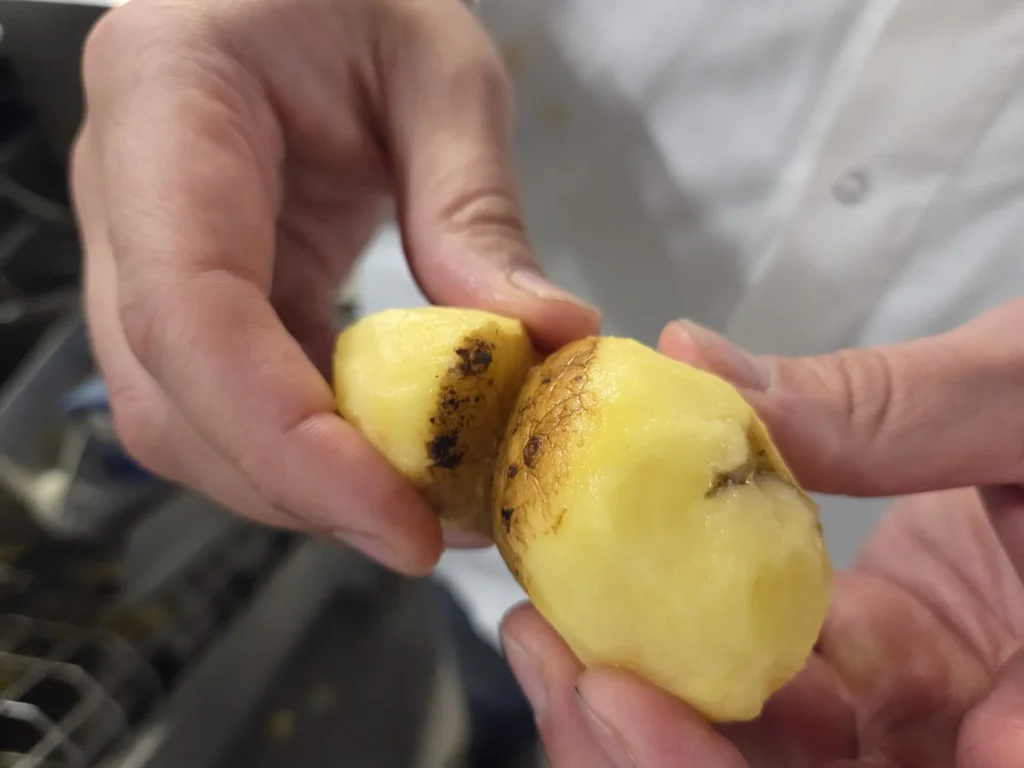
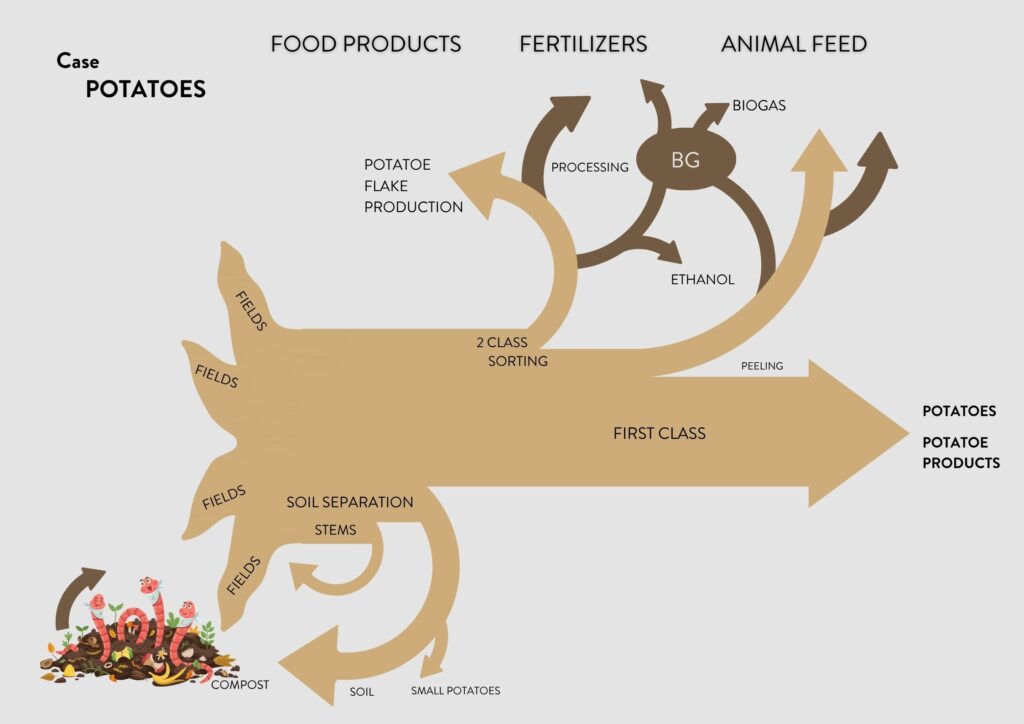
Potatoes have much more to offer than just the tuber on the dinner plate. Potatoes that are usually not used include broken and undersized potatoes. In addition, a considerable amount of potato mass is lost when peeling potatoes. Today, for example, potato peels are fed to animals, but less valuable potato parts could also be utilised to make products that can be sold at a better price.
We are exploring how to find profitable uses for potatoes and potato peelings that are not marketable. We are developing uses for the excess potato material from farms, packing plants, and peeling plants.
Non-edible parts of potatoes are also valuable material. For example, broken potatoes and potato peelings also contain starch and valuable fibres that industry can utilise.
Surplus potatoes can be turned into biogas. In this case, small and poor-quality potatoes are composted to produce gas by anaerobic digestion. This methane-rich gas can replace the current use of natural gas. At the same time, these compost plants produce soil suitable for cultivation.
Biorefineries can produce biochemicals from potatoes that are not suitable for food production. Biochemicals can replace chemicals made from fossil raw materials in industry.
Currently, unsaleable potatoes and peelings usually go into compost, animal feed or potato flour production. None of these activities is profitable for the potato producer, and in most cases, the valuable substances in potatoes are unutilised.
In our project, potato farmers and processors, researchers and industry work together to create new business. We have identified business opportunities with potato growers and processors. Researchers have developed product ideas used to design business with companies. Products and business opportunities are developed and tested in everyday situations.
GREENHOUSE VEGETABLES
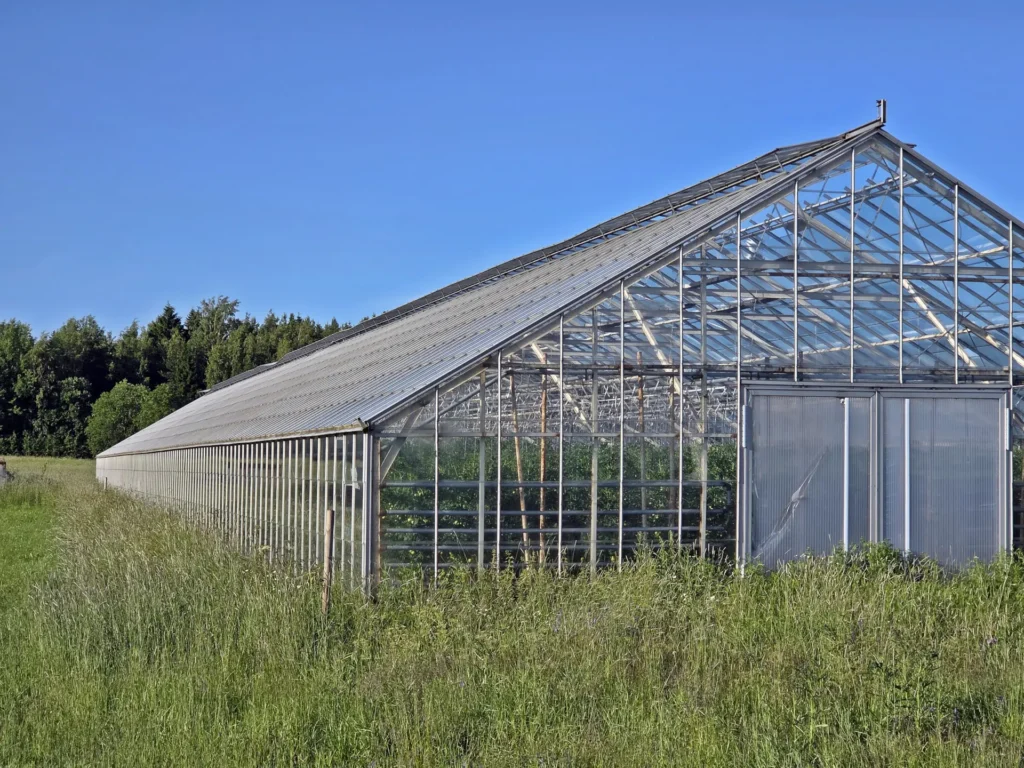
When growing vegetables, a huge part of the crop production is not used. These include stems, leaves, turnips, peels and spoiled vegetables.
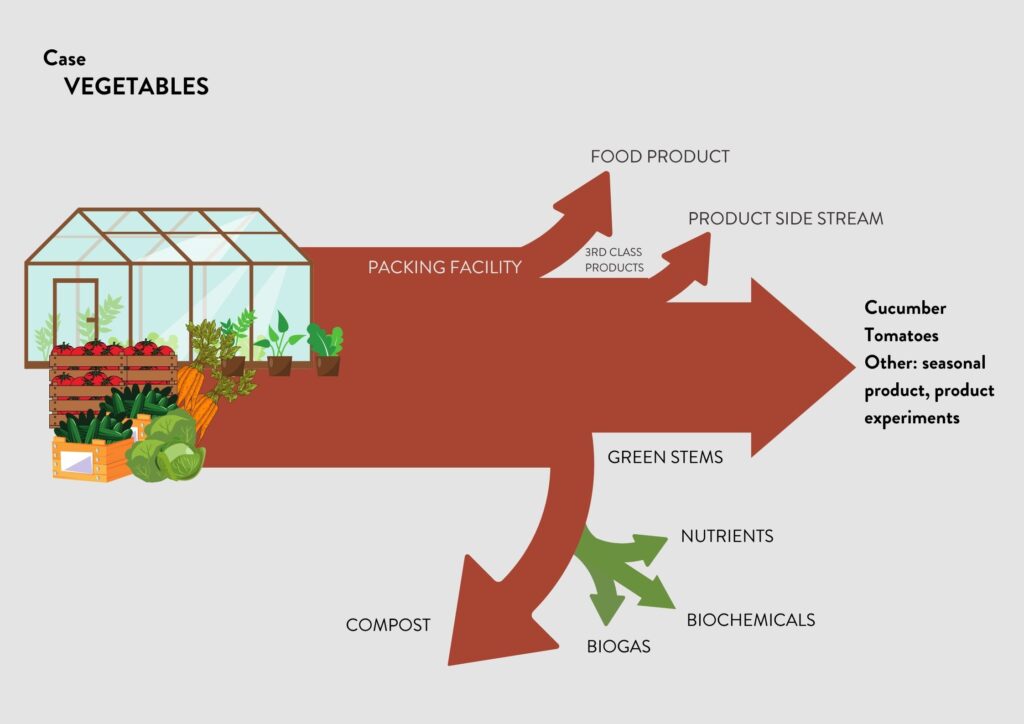
We are exploring how to turn the unused plant parts from greenhouse vegetable production into marketable products. We look for uses for vegetable stems, leaves and other parts that are now left over from greenhouses.
Vegetables have a lot of potential for use beyond what they are usually used for. For example, the stems and leaves contain fibre, the lignin that binds them together, and carbohydrates such as sugars.
Parts unsuitable for food production can also be turned into biogas. In this case, the excess vegetable parts are composted to produce gas by anaerobic digestion. This methane-rich gas can replace the current use of natural gas. At the same time, these compost plants produce soil suitable for cultivation.
Biorefineries can produce biochemicals from plant parts that are generally left unused. Biochemicals can replace chemicals made from fossil raw materials in industry.
At present, the use of surplus parts from greenhouses is hampered, for example, by the high proportion of plastic scraps and pieces of string. So far, there have not been enough viable ideas for new products.
In our project, greenhouse producers, researchers and industry work together to create new business. We have identified business opportunities with greenhouse producers. Researchers have developed product ideas used to design business with companies. Products and business opportunities are developed and tested in everyday situations.
WOOD
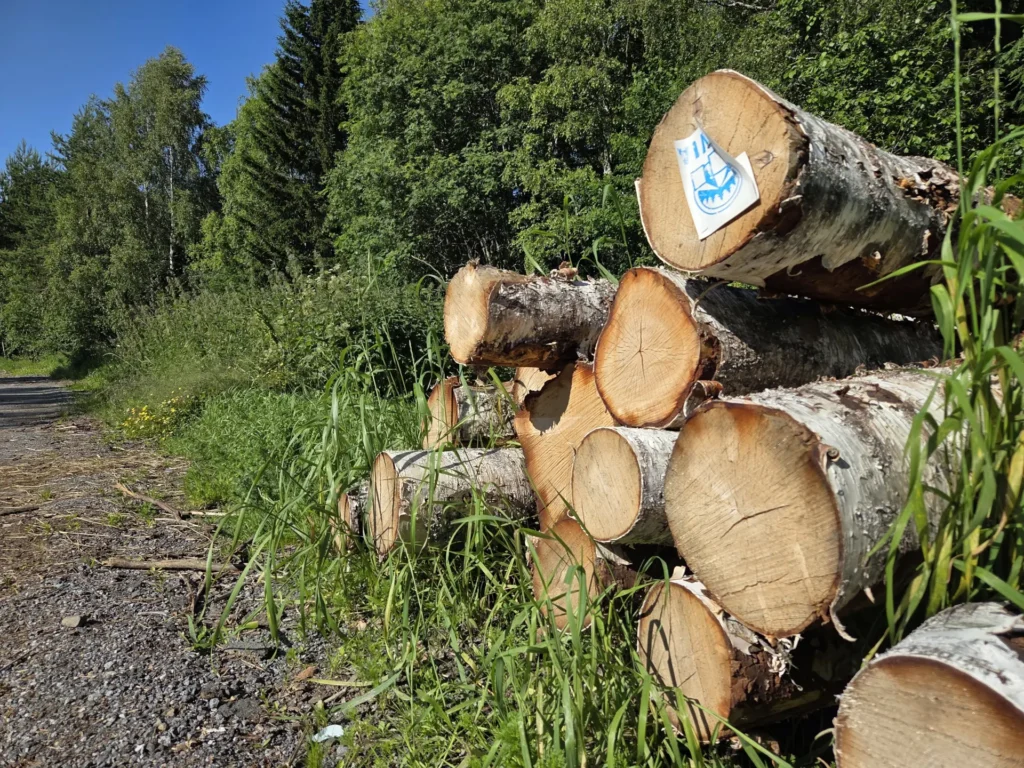
When trees are felled, logs are usually made from the trunks. However, much of the felled wood remains in the forest that could be processed into products for sale.
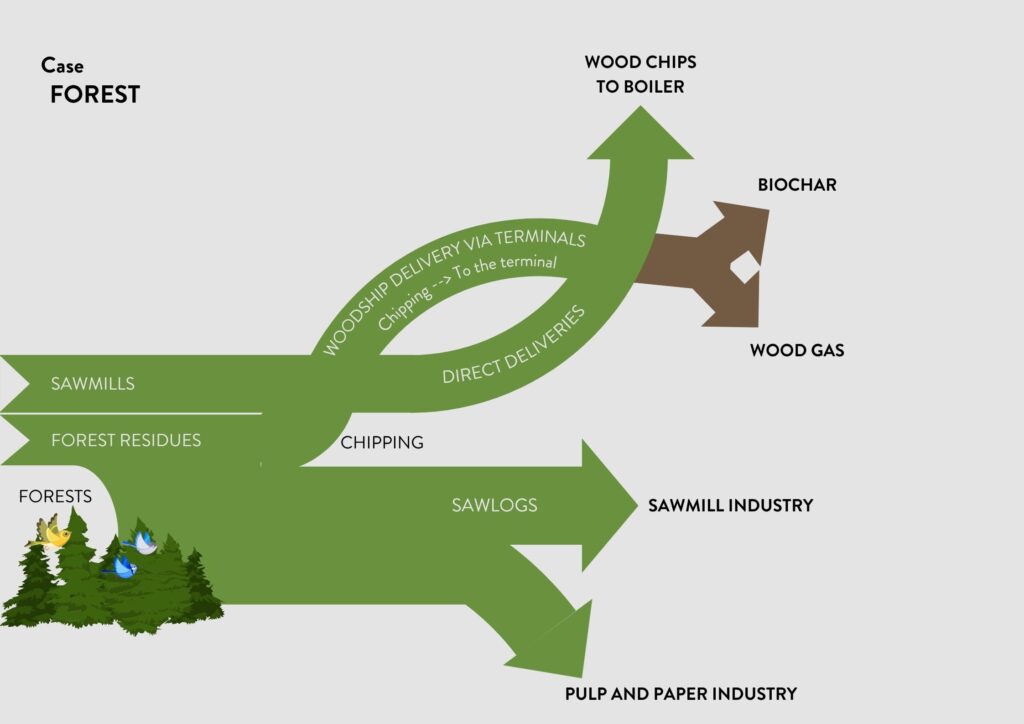
We are exploring how to turn the forest residues from wood harvesting and sawmill chips into products that are more profitable to sell than using wood for energy production. In particular, we will develop uses for wood material left in forests from felling, pruning and chipping.
The traditional mechanical forest industry processes wood into planks, plywood and chipboard, while the traditional chemical forest industry processes wood into pulp and paper. However, chemically speaking, all wood pulp consists of cellulose, hemicellulose and lignin. Through various techniques, wood other than trunks can also be processed into several valuable products.
Wood material can be processed into carbon-rich, solid biochar. There are many uses for it. It is suitable for soil improvement for all plants, from perennials to houseplants, because it improves the living conditions of beneficial micro-organisms and soil structure and provides nutrients to plants. Biochar can filter urban stormwater and nutrient-rich agricultural waters and even clean house air. Industry can utilise biochar for everything from making medicines to making batteries and textiles.
A wide range of extractives can also be separated from sawdust, bark, twigs, needles and other selected wood parts. The range of these biomaterials and their applications is enormous.
The hemicellulose in wood can also be broken down into sugars. Instead of being eaten, the sugars in wood can be processed into films, plastics, textiles and cosmetics for packaging. Industry can use products made from wood sugars as a substitute for materials made from oil pumped from the ground.
At present, wood chips and forest residues are mainly used for energy production, but biomass combustion is increasingly being replaced by renewable electricity. Thus, entrepreneurs who collect and supply wood chips are looking for new business.
In our project, forest machine entrepreneurs, researchers and industry work together to create new business. We have identified business opportunities with forest machine entrepreneurs. Researchers have developed product ideas used to design business with companies. Products and business opportunities are developed and tested in everyday situations.
FISH
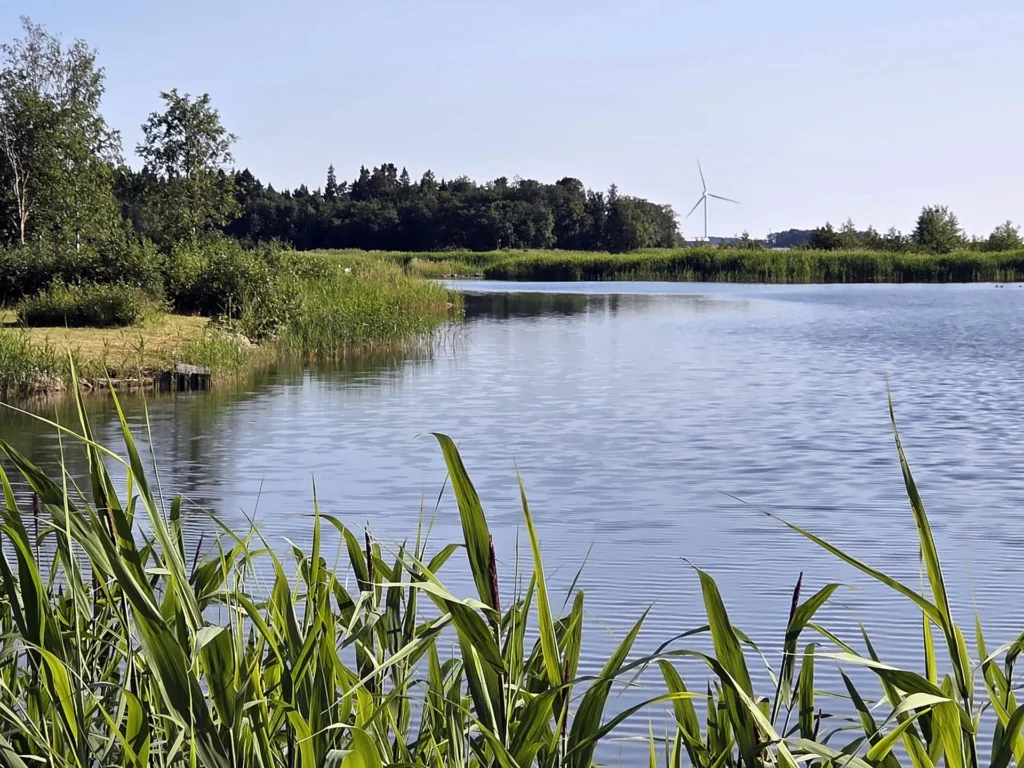
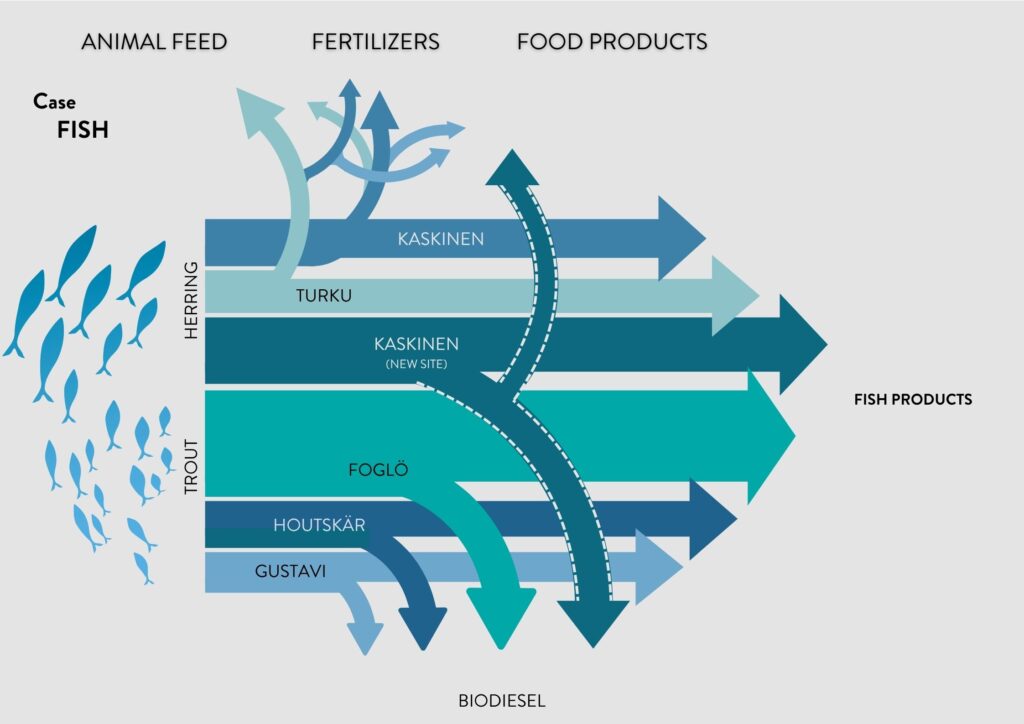
There is much more to eat in fish than fillets on dinner plates. In addition, when catching fish, you usually catch fish that you don’t eat – for example, because it is undersized or breaks down in the fishery.
We are exploring how to turn the non-edible parts of fish into marketable products. We find new uses for fish scales, skin, tops, fins, viscera, and other parts that are usually left over in the gutted fish.
Non-fish fillet pieces still contain valuable nutrients and energy that can be used well.
In addition to fish meat, other products are also needed to prepare food. Scales can be utilised to make tasteless and odourless gelatine, which can replace gelatine made from beef and pork.
The food industry is also constantly looking for new sources of protein. Promising results have already been obtained on the suitability of fish skin and heads for protein production.
One potential new product is fish oil from non-edible parts, particularly the EPA and DHA fatty acids in the oil. These fatty acids are essential for human nutrition and constitute a significant group of food supplements.
Surplus fish can also be utilised to make biogas. In this case, the surplus fish is composted to produce gas by anaerobic digestion. This methane-rich gas can replace the current use of natural gas. At the same time, these compost plants produce soil suitable for cultivation.
At present, the waste from fish is mainly used for fur animals or biodiesel production. Neither of these methods provides an income stream for the entrepreneur, and mink farming is declining. In addition, valuable fractions remain unutilised.
In our project, fish farmers, researchers and industry work together to create new business. We have identified business opportunities with fish farmers. Researchers have developed product ideas used to design business with companies. Products and business opportunities are developed and tested in everyday situations.