

A farmer may have a large pile of manure that needs to be dealt with, while a nearby biogas plant is actively looking for manure to use as feedstock. In theory, the farmer could sell the manure to the plant. In practice, this often doesn’t happen. The farmer misses out on income, spends valuable working hours spreading manure on fields, and the plant loses access to material it needs to produce biogas. The process of selling manure is simply too complicated.
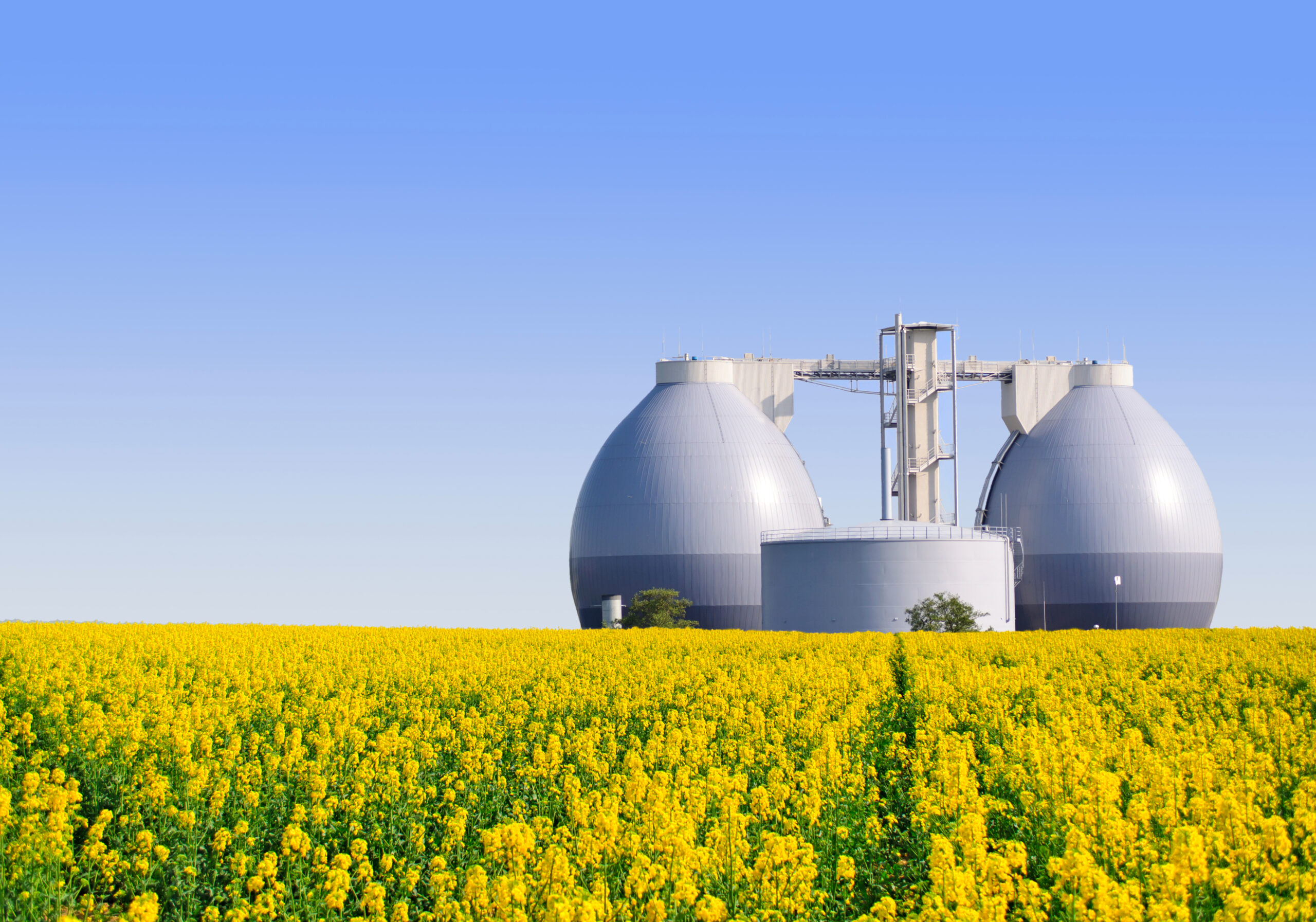
When organic waste and agricultural by-products – such as livestock manure, surplus straw and sewage sludge – are processed in oxygen‑free conditions, they produce biomethane. Once refined, this can be used as an industrial raw material or to heat homes in an environmentally friendly way.
Why manure often goes unsold
Even when farmers are interested in supplying manure or surplus straw to a biogas plant, practical obstacles can derail the plan. Contract negotiations may feel daunting, especially for farmers unsure about what a fair agreement should include. Assessing compensation can also be difficult when plants offer varying incentives, such as annual bonuses or savings on fertiliser costs by returning nutrient‑rich digestate to the farm.
Transporting slurry presents another major challenge, as only equipment dedicated to this purpose can be used. In addition, centralised biogas plants require farms to comply with strict legal standards. This includes adhering to nitrate regulations and maintaining proper storage and handling practices for slurry, with documentation to prove it.
Biogas plants also need accurate information from farmers to secure certificates of origin, ensuring the energy they produce is renewable and responsibly sourced. If the quality of manure or straw differs from what was agreed – for example, if it contains impurities or excessive bedding – the plant may reject the load or impose extra charges. Monitoring biomass quality is therefore essential, but it can create disproportionate extra work for farmers who simply want to dispose of surplus material.
Buying manure is also complicated for biogas plants
Biogas plants face their own difficulties. They rely on biomass from numerous scattered farms, making it hard to control costs when each supplier must be managed individually. Services that support biomass collection are also fragmented. Against this backdrop, the government’s goal of quadrupling biogas production by 2030 can feel ambitious.
Transport companies encounter similar inefficiencies when dealing with multiple farms separately. Meanwhile, biogas users would benefit from being able to see, at a glance, where biogas is available and at what price.
A digital hub to simplify the entire chain
“We discussed the issue within the KristinaEco network and realised there is a clear need for a tool that simplifies the work of farmers, biogas plants, transport companies and gas buyers,” says Sara Härmälä, CEO of Agri2X. “That is why we are establishing a new company that will reduce everyone’s workload at several stages.”
The new company, based in Kristinestad, will develop a digital biogas hub, drawing partly on research from the joint DigiBiogasHubs project carried out by the University of Vaasa, Centria University of Applied Sciences and Seinäjoki University of Applied Sciences. Operating as a software‑as‑a‑service (SaaS) platform, the hub will connect all actors in the local biogas ecosystem – producers, users, feedstock owners and logistics providers – creating a more agile and efficient local biogas network.

Agri2X CEO Sara Härmälä is developing the biogas business with the help of a new digital hub.